Evolution of the Roulette Game in the Casino
The spinning wheel of fate, better known as roulette, has stood as a testament to mankind’s love for chance and thrill. From its classical roots to its digital avatars in the contemporary era, the journey of roulette is as captivating as the game itself. Let’s delve into the transformation of this iconic game.
Roulette’s journey is a blend of myths, mathematics, and pure entertainment. It has evolved from rudimentary forms, possibly inspired by ancient wheels of fortune, to the sophisticated versions we know today. Whether in physical casinos or digital platforms, the game has metamorphosed yet retained its essence.
Classic Roulette in Casinos
The Timeless Wheel of Chance
Originally emerging in 18th century France, classic roulette had a distinctive appearance with its spinning wheel and a layout for bets. The name itself, ‘roulette’, means ‘little wheel’ in French.
But it wasn’t just a game—it was wrapped in controversy. The sum of numbers on the wheel, intriguingly, adds up to 666, leading to myths about its devilish origins. This only added to the allure and mystique around the game.
What is Live Roulette with Live Dealers?
Blending the Physical with the Digital
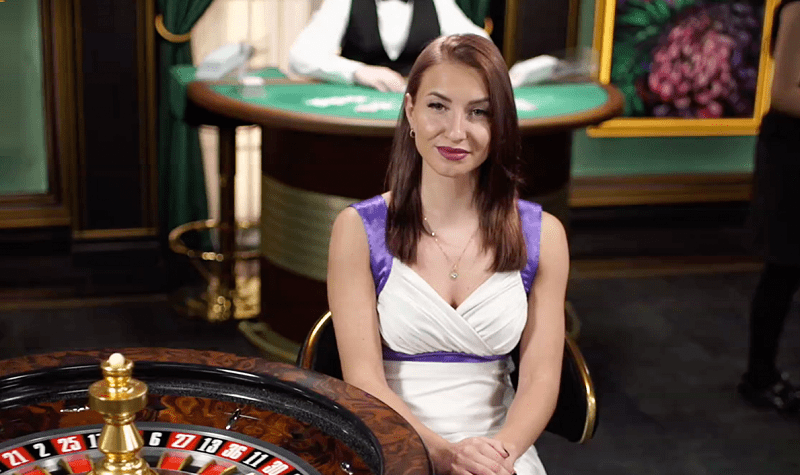
Live roulette reshaped online casino play by broadcasting real roulette rounds from dedicated studios or, in some cases, tables located inside land-based venues. Instead of watching a purely computer-generated sequence, players can see a dealer manage the betting period, spin the wheel, release the ball, and announce the winning number as the action unfolds. A digital betting layout appears alongside the video stream, allowing users to place standard inside and outside bets before the countdown closes. Modern versions may also include several camera angles, recent-result histories, table limits, game statistics, and text-based interaction with the dealer. These features make each stage of the round easier to follow without changing the fundamental rules, probabilities, or house advantage of roulette. Support for desktop computers, tablets, and smartphones has further widened access, while improved video quality and studio production have made the format more consistent across different screen sizes and connection conditions.
Technological Breakthrough: VR Roulette
Stepping into the Future
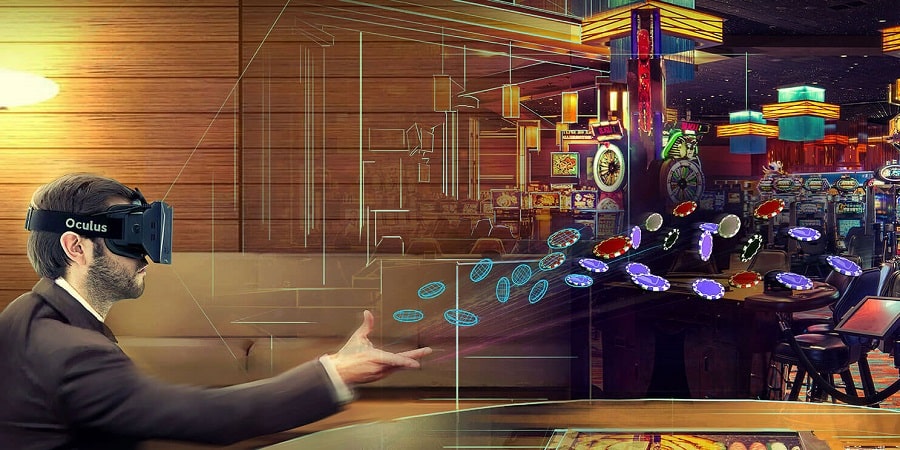
Virtual Reality (VR) Roulette expands the digital version of the game by placing players inside a computer-generated casino environment viewed through a VR headset. The wheel, betting table, chips, and surrounding interior are rendered in three dimensions to create a stronger sense of presence than a conventional screen can provide. Depending on the software and headset, players may select chips and place bets using motion controllers or hand-tracking technology. Some multiplayer versions also represent participants as avatars and allow limited social interaction. Although the visual presentation may resemble a physical casino, VR roulette can use either a simulated wheel governed by certified game software or a connection to a live game, depending on the particular version.
Why is Roulette Called the Queen of Excitement?
Throughout its existence, roulette has maintained a regal stature in the world of casino games. The simplicity, combined with the unpredictability of its outcome, renders an unmatched thrill. Each spin is a new story, a fresh heartbeat. This, coupled with strategies and myths that surround it, keeps players perennially intrigued. Its enduring charm, regardless of its format, is why it stands tall as the ‘queen of excitement’.
Conclusion
The story of roulette is one of continuous evolution, technical innovation, and enduring appeal. From the traditional wooden wheels of earlier centuries to live-streamed tables and computer-generated virtual environments, its presentation has changed considerably while the central mechanics have remained recognisable. Future developments may introduce more realistic graphics, improved interaction, and new ways to follow each round, but the defining elements of roulette—the spinning wheel, the falling ball, and the uncertainty of the result—are likely to remain at the heart of the game.